
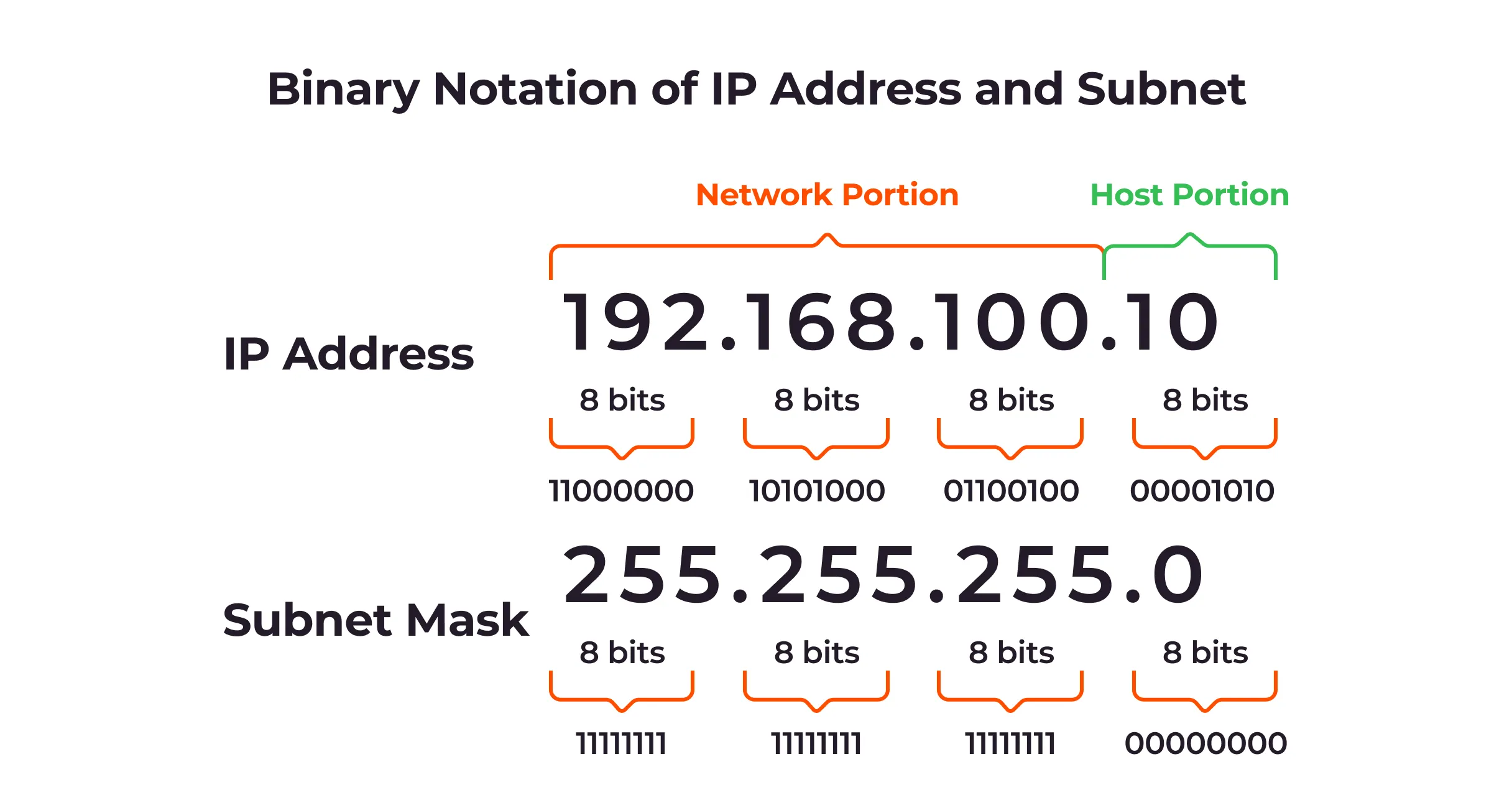
In today’s interconnected world, understanding network addresses like 172.16.252.214;4300 is essential for professionals managing secure systems and data exchanges. This combination of an IP address and port number represents a key element of private network communication, offering insights into how devices communicate securely and efficiently.
What is 172.16.252.214;4300?
The sequence 172.16.252.214;4300 represents a private IP address paired with a port number. The “172.16.x.x” range is part of the private IP block defined for internal networks, while the port “4300” typically identifies a specific communication channel or service. When combined, they define a clear path for data transmission between devices, ensuring information flows to the correct application or server.
Unlike public IPs, which connect users to the broader internet, 172.16.252.214;4300 is reserved for internal operations within a business, organization, or data center. This structure is often seen in local area networks (LANs) or virtual private networks (VPNs), supporting safe communication without exposing sensitive systems to external threats.
How 172.16.252.214;4300 Works in a Network
In a typical configuration, 172.16.252.214;4300 acts as a unique identifier for an internal host. When a device sends a request to this IP, the port number “4300” directs the data to a specific service or process running on that machine. For example, it could handle database requests, monitoring services, or internal applications.
Network routers and switches use this type of address to manage internal traffic efficiently. Because 172.16.252.214;4300 belongs to a private range, it cannot be accessed directly from the internet, reducing the risk of unauthorized entry. Administrators often map it behind a firewall or NAT (Network Address Translation) to allow secure connections while maintaining control over data flow.
The Importance of Private IPs Like 172.16.252.214;4300
Private IP addresses form the backbone of internal connectivity. With 172.16.252.214;4300, organizations can separate external and internal traffic, ensuring data confidentiality. This setup supports scalability, meaning more devices can be added without requiring additional public IPs.
Moreover, using 172.16.252.214;4300 reduces congestion on external networks. Since it doesn’t need to travel through the public internet, internal data transfer remains faster and more stable. IT professionals prefer such configurations for running enterprise-level applications, database management, and real-time system updates.
Security Considerations for 172.16.252.214;4300
Security remains a top priority when dealing with private IPs. Although 172.16.252.214;4300 cannot be directly accessed from outside the network, internal breaches can still occur if systems are not properly monitored. Firewalls, access controls, and encryption play crucial roles in maintaining network safety.
It’s also important to configure authentication protocols correctly. When 172.16.252.214;4300 is linked with essential business systems, even minor misconfigurations can lead to data leaks or service interruptions. Regular audits and network scans help administrators ensure that only authorized devices interact with this address and port combination.
Practical Use Cases for 172.16.252.214;4300
Many companies use 172.16.252.214;4300 for internal software communications, remote device management, or testing environments. For instance, developers might assign it to simulate a production server without affecting live systems. Similarly, IT teams might deploy 172.16.252.214;4300 within a virtualized setup to monitor traffic patterns or benchmark performance.
In corporate settings, this address can also serve as a node for internal APIs or administrative dashboards. Because it remains isolated from public exposure, 172.16.252.214;4300 offers a secure foundation for backend operations that require both stability and privacy.
Troubleshooting and Maintenance Tips
When handling 172.16.252.214;4300, network administrators often rely on tools like ping, traceroute, and netstat to verify connectivity. If communication issues arise, checking firewall rules and NAT settings is essential. Proper DNS configuration can also prevent routing conflicts or IP duplication within the subnet.
Another useful tip is to document all IP and port assignments clearly. When 172.16.252.214;4300 is part of a larger network, maintaining updated records ensures quick diagnostics and minimizes downtime.
Final Thoughts
Understanding 172.16.252.214;4300 gives valuable insight into how internal networks function. This IP-port combination demonstrates how modern systems isolate internal communication while maintaining speed, efficiency, and security. For IT administrators and network engineers, mastering such configurations ensures smoother data flow, robust infrastructure, and reliable digital operations.